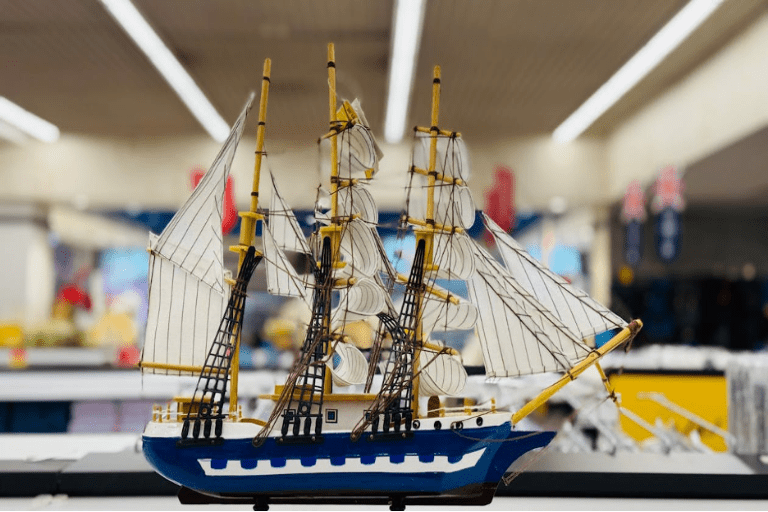
The resurgence of traditional hobbies has taken an unexpected turn toward the maritime world. Across workshops, classrooms, and online communities, ship models are emerging as a focal point for people seeking hands-on skills, historical understanding, and screen-free creativity.
What was once viewed as a niche pastime for retirees is now drawing interest from younger builders and first-time hobbyists alike.
Industry observers note that this renewed attention aligns with a broader trend. According to a 2024 global hobby market report, interest in hands-on crafts grew by nearly 18 percent compared to pre-pandemic levels.
Within that segment, scale modeling ranked among the top five fastest-growing categories. Shipbuilding replicas, in particular, are seeing steady growth due to their blend of craftsmanship and storytelling.
A Hobby Rooted in History but Shaped by Today
Model shipbuilding has long been connected to naval history, exploration, and engineering. Each replica tells a story, whether it is inspired by merchant vessels, warships, or iconic sailing craft. Museums and educational institutions have increasingly incorporated these replicas into exhibits, citing their effectiveness in teaching historical context and design principles.
A recent survey by a European maritime heritage association found that 62 percent of visitors engaged more deeply with exhibits that included physical ship replicas rather than digital-only displays. This suggests that tactile experiences still hold strong appeal in an increasingly virtual world.
For many newcomers, the appeal lies in the pace of the craft. Unlike fast-moving digital hobbies, ship modeling demands patience and precision. This has resonated particularly with beginners looking for structured, skill-based activities. Online forums frequently discuss the best model ship for beginners, emphasizing simplified designs and clear instructions as entry points into the craft.
Beginners Drive a Shift in Design and Access
The growing number of beginners has influenced how kits are designed and discussed. Manufacturers and historians alike have observed a shift toward educational framing rather than purely technical complexity. Clear documentation, historical notes, and modular construction have become more common features.
Data from a North American hobby retailer association indicates that nearly 45 percent of ship model purchases in 2023 were made by first-time builders. This has sparked broader conversations about accessibility, especially for younger audiences and those without prior woodworking or modeling experience.
In this context, discussions around beginners often highlight the importance of guidance rather than brand promotion. Mentorship groups and local clubs play a central role, helping newcomers understand materials, tools, and historical accuracy without overwhelming them.
Craftsmanship Without Commercial Noise
Within industry discussions, references to long-established workshops and historical collections are often framed as sources of research rather than commercial influence.
Resources from organizations like Premier Ship Models are sometimes used by hobbyists exploring traditional construction techniques of 18th-century vessels. These materials, often aimed at beginners, provide step-by-step guidance while emphasizing historical accuracy.
In these contexts, the focus remains on learning, skill development, and preserving maritime craftsmanship rather than on promoting specific products.
This distinction matters as the community places high value on authenticity. Builders tend to prioritize accuracy, sourcing, and historical context over speed or mass production.
A Quiet but Lasting Cultural Shift
As interest continues to grow, educators and cultural historians see ship modeling as part of a wider return to analog skills. With an estimated 30 percent increase in enrollment in craft-based adult education courses worldwide since 2021, traditional hobbies appear to be reclaiming space in modern life.
What stands out is the intergenerational nature of this revival. Parents and children are building together, retirees are mentoring students, and digital natives are discovering satisfaction in physical creation. The craft is no longer defined by age or background, but by curiosity and patience.
In an era dominated by fleeting trends, this steady return to making things by hand suggests a deeper desire for connection, history, and focus that transcends the workshop.