North Carolina is a state defined by its diverse communities, from growing metropolitan areas to close-knit towns where daily life depends on trust, responsibility, and shared roadways, workplaces, and public spaces.
When accidents happen, the consequences often reach far beyond physical injuries, affecting families, finances, and long-term stability.
Residents across North Carolina may suddenly find themselves navigating unfamiliar legal territory while trying to recover and move forward. The civil justice system plays a central role in resolving these situations, offering structured ways to address harm and accountability without unnecessary escalation.
Within this framework, settlement negotiations have become a common path for resolving injury claims in a practical and controlled manner. These discussions reflect an effort to balance fairness, efficiency, and certainty for everyone involved.
Understanding how negotiations work helps injured individuals make informed decisions and set realistic expectations during an already stressful period. According to Whitley Law Firm, knowing what influences settlement outcomes and how discussions typically unfold can reduce confusion and empower people to approach negotiations with greater confidence.
This knowledge allows individuals to focus on recovery while still protecting their legal interests.
The Basics of Settlement Talks
Settlement negotiations are discussions between the injured party and those considered responsible. Often, these discussions involve legal representatives who advocate for fair compensation. Both sides aim to resolve the dispute without lengthy litigation to save time and reduce stress.
Why Settlements Matter
There are many advantages of settling out of court. Disputes are often resolved more quickly and at a lower cost. Those seeking compensation can eliminate the delays and uncertainty associated with a trial. Settlements benefit defendants as well, as they limit publicity.
Initiating the Negotiation Process
Negotiations typically start after the individual’s medical treatment has ended or injuries have stabilized. At this point, the injured party’s attorney will issue a demand letter detailing the harm suffered, the associated expenses, and the damages being sought.
The Role of Documentation
Detailed records strengthen the injured party’s position during negotiations. Medical reports, receipts, photographs, and employment records serve as crucial evidence. This documentation helps both sides understand the extent of the harm and the need for fair compensation.
Responding to Demands
After receiving a demand, the other party reviews the details of the claim. They may accept it, send a counteroffer, or reject it. Counteroffers are common, as both sides start off the negotiation process with varying expectations of what constitutes fair compensation.
Negotiation Strategies
Injury lawyers use various techniques to facilitate a mutually agreeable settlement. They present additional evidence and resolve disputes. Patience and flexibility on both sides can lead to a resolution that benefits everyone.
The Importance of Communication
These kinds of discussions require transparency. Clear communication builds trust and allows both parties to address misunderstandings in an amicable manner. Miscommunication can lead to prolonged negotiations and missed opportunities for agreements.
Factors Affecting Settlement Amounts
Several factors can influence the settlement amount. The seriousness of the injuries, medical expenses, lost earnings, and long-term effects are crucial factors. These discussions also take into account non-economic harm like pain and suffering.
Legal Guidance in Settlement Talks
Attorneys are experienced negotiators. They help clients calculate appropriate compensation, obtain evidence, and communicate effectively with opposing parties. Their involvement often increases the chances of a fair resolution without unnecessary delays.
Considering the Alternatives
If settlement negotiations fail, the injured individual will not have any recourse but to seek resolution through the courts. These proceedings, however, can take much longer, and the results are unpredictable. For these reasons, many prefer to resolve disputes through negotiations first.
Reaching an Agreement
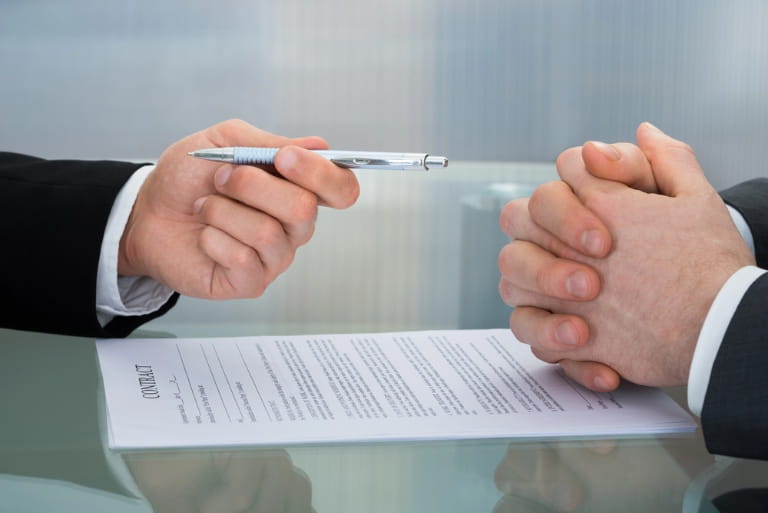
When both sides accept an offer, they usually lay out the terms in writing. This legally binding document states when and how the payment shall be made. Once it is signed, the parties are required to fulfill their obligations. The document often includes agreements to keep details confidential. This protects the interests of all parties and ensures they do not have to deal with public scrutiny.
Conclusion
Settlement negotiations provide an efficient means of resolving injury claims. Understanding the process, collecting extensive evidence, and seeking assistance from professionals make the aftermath of an injury more manageable for claimants. Individuals must stay informed and prepared to achieve fair resolutions.