Selecting the right planter is just as important as choosing the plant itself. The container you use influences not only the aesthetics of your space but also the health and growth of your plants.
From drainage to material and size, each factor plays a role in ensuring your indoor greenery thrives. Read on.
Consider Drainage First
One of the most critical features of any planter is proper drainage. Plants that sit in excess water are prone to root rot, a common issue that can quickly kill even the hardiest species.
Look for pots with drainage holes at the bottom to allow water to escape. If you fall in love with a decorative pot that lacks drainage, consider using it as a cachepot-place a smaller, functional pot inside and remove it when watering.
Match the Planter Size to the Plant
Size matters when it comes to planters. A pot that’s too small can restrict root growth, while one that’s too large can hold excess moisture, leading to overwatering problems.
As a general rule, choose a planter that is 1-2 inches larger in diameter than the plant’s current container. For fast-growing plants, you may need to repot more frequently to accommodate their expanding root systems.
Choose the Right Material
Planters come in a variety of materials, each with its own advantages. Terracotta pots are popular for their breathability, allowing moisture to evaporate and reducing the risk of overwatering. However, they can dry out quickly, making them better suited for plants like succulents and cacti.
Plastic pots retain moisture longer and are lightweight, ideal for plants that prefer consistently damp soil. Ceramic pots offer a balance between style and function, but can be heavier and more expensive. Visit a reputable shop when it comes to buying garden pots planters and stands.
Think About Plant Type
Different plants have different needs, and your choice of planter should reflect that. Succulents and cacti thrive in shallow containers with excellent drainage, while tropical plants often prefer deeper pots that can hold more moisture.
Hanging plants, such as pothos or ferns, do well in suspended planters that allow their vines to cascade freely. Matching the planter style to the plant’s natural growth habit can enhance both its health and visual appeal.
Consider Indoor Space and Style
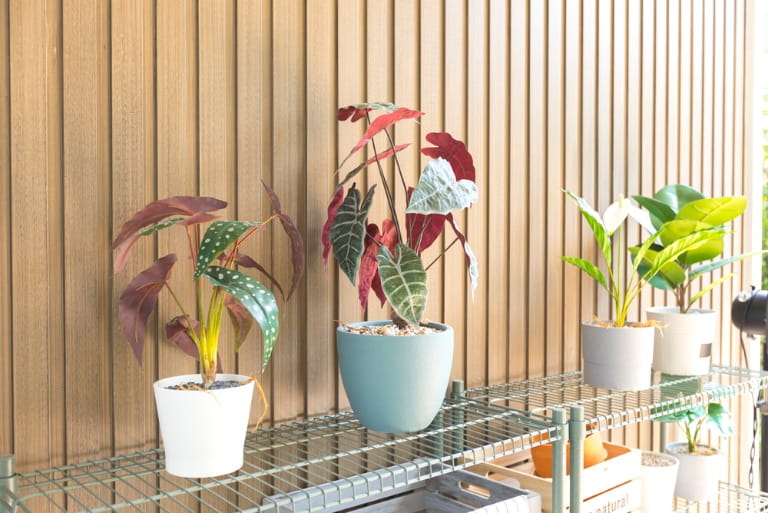
Your planter should complement your home’s interior design. Sleek, minimalist pots work well in modern spaces, while textured or patterned containers add character to more eclectic interiors.
Additionally, consider the available space-compact pots are ideal for shelves and desks, while larger statement planters can anchor a room. Don’t forget to think about weight, especially if you plan to move your plants or place them on elevated surfaces.
Don’t Overlook Practicality
Beyond aesthetics, practicality plays a key role. Self-watering planters can be a great option for busy individuals or those new to plant care, as they help maintain consistent moisture levels.
Lightweight pots are easier to handle, while durable materials ensure longevity. Always balance style with functionality to create a setup that works for your lifestyle.
Choose the Right Planters for Your Garden
Choosing the right planter involves more than just picking something that looks good. By considering drainage, size, material, and the specific needs of your plants, you can create an environment where your indoor garden flourishes. A well-matched planter not only supports healthy growth but also enhances the beauty of your living space.
If you want to read more articles, visit our blog.