Massachusetts Just Spent $83 Billion on Healthcare in a Single Year. Here Is What That Means for the People Supplying It

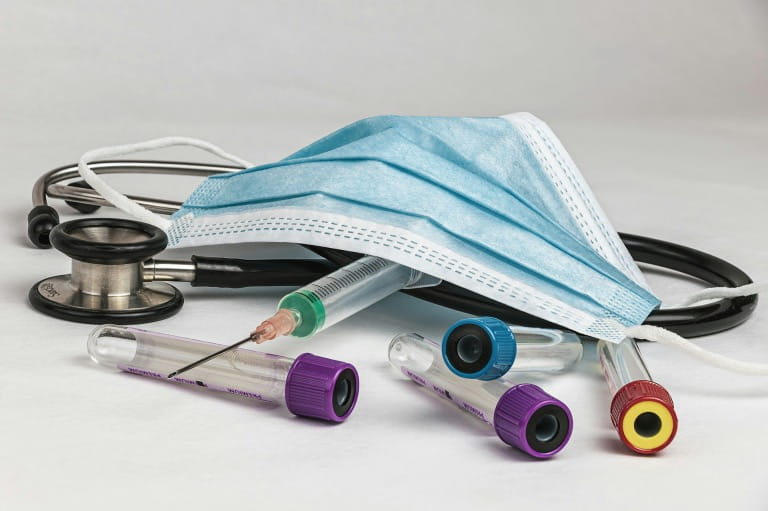
When a state’s healthcare system crosses $83 billion in annual spending, the supply chain behind it stops being a back-office function and starts looking like infrastructure. Every hospital visit, every clinic appointment, every home health interaction draws from a continuous flow of equipment, consumables, and specialized supplies that has to work without interruption, every day, across one of the most medically dense states in the country.
Total healthcare spending in Massachusetts reached $83.3 billion in 2024, a per capita increase of 5.7 percent over the prior year, marking the fourth consecutive year the state has exceeded its own cost growth benchmark, according to the Center for Health Information and Analysis. That growth was driven primarily by pharmacy spending and hospital outpatient services, two categories that depend directly on uninterrupted access to the full range of clinical supplies, from Pharmaceutical Supplies and Surgical Instruments through to the consumables used in every outpatient encounter.
For the clinics, home health agencies, laboratories, and independent practices supplying the Boston Area, Newton, Cambridge, and surrounding communities, that spending figure is not just a policy number. It is the backdrop against which procurement decisions are made every single week.
What Massachusetts Facilities Actually Need?
The supply categories used across Massachusetts healthcare settings are broader than most people outside procurement realize. Grouping them by function helps clarify what each category actually contributes to daily operations.
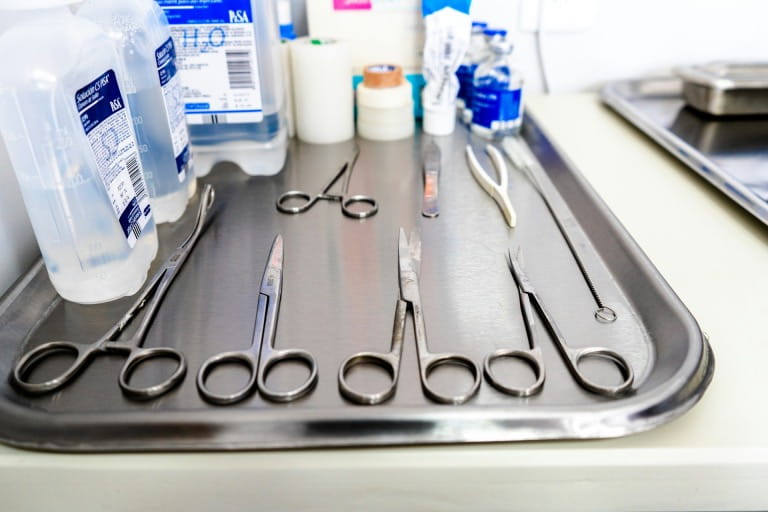
Clinical and Surgical Supplies – Surgical Instruments and Surgical Gauze represent the precision end of the supply chain, where quality and sterility are non-negotiable, since outcomes in the procedure room depend on both. Alongside these, Surgical Supplies more broadly cover the full range of procedural consumables used across hospital ORs, ambulatory surgery centers, and outpatient clinics.
Protective and Infection Control Layer – PPE Supplies and Infection Control Supplies form the frontline barrier for staff and patients across every care setting. Nitrile Gloves remain the single highest-turnover item in this category, used in practically every patient interaction regardless of specialty. Underpads round out the infection and hygiene layer for inpatient and long-term care settings.
Diagnostic and Laboratory – Laboratory supplies and specimen collection supplies support the diagnostic functions that precede treatment decisions, from routine bloodwork to specialized pathology. These categories are often managed separately from clinical supplies but are equally time-sensitive when facilities run low.

Monitoring and Respiratory – Patient Monitoring Equipment and Oxygen Therapy Supplies have grown in importance as more care shifts toward home-based and outpatient settings. Respiratory Equipment covers a range from basic oxygen delivery through advanced home ventilation support, a category seeing sustained demand growth in Massachusetts given rising rates of chronic respiratory conditions.
Rehabilitation and Mobility – Physical Therapy Equipment and Durable Medical Equipment together support the recovery and rehabilitation functions that follow acute care, including the mobility aids, medical beds, and Orthopedic Supplies that patients transitioning out of hospital settings frequently require.
Dental and Specialty Categories – Dental Supplies support the outpatient dental practices operating across the state, while Exam Table Paper Supplier relationships ensure the basic operational continuity of every clinical exam room from solo practices in Newton to large multi-specialty groups in Cambridge.
Emergency Readiness – Emergency Supplies occupy their own category within facility procurement, since the inventory needed for surge or disaster scenarios differs from everyday restocking in both volume and lead time requirements.
Medical Supply Cost Reference for Massachusetts Facilities
Pricing varies by order volume, product specification, and supplier contract terms. Below is a general cost reference across commonly ordered categories:
| Supply Category | Estimated Cost Range | Notes |
| Nitrile Gloves (per box of 100) | $4 – $12 | Price fluctuates with raw material availability |
| Surgical Gauze (per pack) | $2 – $15 | Varies by sterility level and pack size |
| Exam Table Paper (per roll) | $8 – $25 | Width and weight determine price |
| Underpads (per case) | $20 – $60 | Absorbency level affects per-unit cost |
| Wound Care Products (per unit) | $1 – $75 | Advanced dressings priced significantly higher |
| Specimen Collection Supplies (per kit) | $3 – $30 | Varies by collection type and sterility requirement |
| Oxygen Therapy Supplies (per unit) | $600 – $2,500+ | Portable concentrators priced at higher end |
| Physical Therapy Equipment (per unit) | $50 – $3,000+ | Wide range by equipment type and complexity |
| Medical Exam Tables (per unit) | $300 – $1,500+ | Manual vs. electric models vary widely |
Sources: General wholesale medical supply pricing compiled from distributor catalogs and industry data (2025-2026)
Why Local Distribution Makes a Difference in This State?
Massachusetts has an unusually high concentration of academic medical centers, community hospitals, specialty clinics, and independent practices clustered across greater Boston, Newton, Cambridge, and the broader metro area. That density means supply relationships built around regional delivery, rather than national fulfillment timelines, are genuinely better suited to the pace at which facilities reorder. When a clinic in Cambridge runs low on specimen collection supplies mid-week, or a home health agency in Newton needs an urgent restock of PPE Supplies, regional responsiveness is not a nice-to-have. It is the difference between a smooth week and a disrupted patient schedule.
Facilities managing supplies across multiple categories often rely on a trusted medical supply store in Massachusetts that understands the state’s specific care environment. HSS Medical Supply covers this full range of supply categories for facilities across the Commonwealth, from wholesale medical supplies and durable medical equipment through specialty items like dental supplies, orthopedic supplies, and medical exam tables.
What $83 Billion in Spending Requires from Suppliers?
The scale of Massachusetts healthcare spending is not just a headline. It represents the ongoing operational demand of a system that cannot pause, cannot run short on critical supplies, and cannot absorb repeated disruptions without consequences for the patients and staff who depend on it every day. The suppliers behind that system carry more responsibility than the numbers typically suggest, and the facilities that choose them carefully are better positioned to keep pace with a system that keeps growing regardless of whether the cost containment benchmarks do.