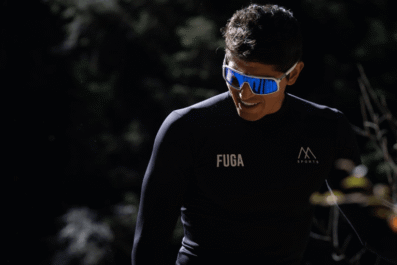
Risk Calibration in Split Seconds: How Downhill Skiers and MotoGP Riders Calculate Survival vs. Speed?

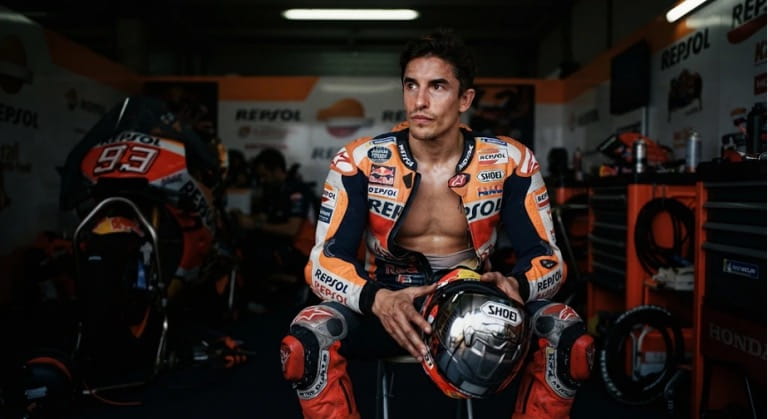
In the pantheon of extreme sports, downhill skiing and MotoGP represent the absolute outer limits of human velocity and physical exposure. Traveling at speeds exceeding 90 miles per hour down icy alpine slopes or leaning a motorcycle at a 60-degree angle millimeters above asphalt, athletes in these disciplines operate in an environment where a single miscalculation carries catastrophic consequences.
Yet, these competitors are not reckless daredevils gambling with fate. Instead, they are master practitioners of ultra-rapid risk calibration—the subconscious and conscious neurological process of balancing the pursuit of maximum speed against the biological imperative of self-preservation, all compressed into fractions of a millisecond.
The Neurobiology of Danger and Risk Assessment
To understand how elite skiers and motorcycle racers process high-speed peril, sports neuroscientists study the interaction between the amygdala, the prefrontal cortex, and the motor control centers of the brain. When an athlete approaches a blind, icy jump on a downhill course or a tightening hairpin turn on a Grand Prix circuit, sensory inputs flood the central nervous system at staggering speeds.
In an untrained individual, this intense sensory load triggers an immediate, paralyzing panic response dominated by the amygdala, flooding the body with survival hormones that cause muscle tension and erratic braking. Elite racers, however, have conditioned their brains through thousands of hours of deliberate practice to undergo functional habituation. Their prefrontal cortex rapidly filters out irrelevant fear signals while amplifying spatial awareness and kinematic feedback. They do not eliminate fear; rather, they convert adrenaline into hyper-focused cognitive clarity, allowing them to calculate friction coefficients, wind resistance, and traction limits in real time.
Key Behavioral Strategies of Elite Risk Calibration
Sports psychologists and high-performance coaches working with elite winter athletes and motorsport riders have identified several core behavioral mechanisms that govern high-speed risk management:
- Fractionated Decision-Making: Breaking complex, high-velocity corners into micro-segments, allowing the brain to process entry lines, apex speeds, and exit trajectories sequentially rather than all at once.
- Kinesthetic Proprioception: Relying heavily on subtle vibrational cues – such as the micro-slip of a ski edge on glaze ice or the slight chatter of a motorcycle front tire – to gauge grip limits before visual confirmation is possible.
- Controlled Arousal Regulation: Maintaining an optimal physiological zone where heart rate and adrenaline are high enough to maximize reaction speed, but low enough to prevent cognitive tunneling.
- Pre-Race Mental Imagery: Mentally rehearsing every turn, bump, and hazard of a course beforehand to create a deep neural blueprint that bypasses conscious hesitation during the actual run.
Mental Decompression and Recovering From High-Stress Velocity
Operating at the knife-edge of survival requires relentless cognitive expenditure. The sheer volume of split-second decisions and the continuous threat of severe injury place an extraordinary burden on the nervous system. If athletes remain locked in a state of hyper-vigilance long after stepping off the slopes or stepping out of the leathers, mental fatigue accumulates rapidly, degrading their calibration accuracy for the next session.
To protect their cognitive longevity and maintain razor-sharp risk assessment skills, elite competitors must incorporate deliberate periods of mental detachment into their routines. Stepping completely away from the high-adrenaline environment allows the nervous system to restore its baseline equilibrium. Many professional riders and skiers utilize brief, effortless digital diversions—such as unwinding with a quick, low-stakes session at a crypto casino – to provide their brains with a neutral, zero-pressure escape from intense competitive focus. Giving the mind a simple, playful distraction helps clear working memory and lower cortisol levels, ensuring they return to competition fully refreshed.
Mastering the Edge of Human Potential
The defining characteristic of a champion in downhill skiing or MotoGP is not a fearless disregard for danger, but a profound, calculated respect for it. By mastering the science of split-second risk calibration, these athletes turn mortal peril into a canvas for supreme athletic expression, proving that true speed is not about abandoning control, but about finding absolute calm at 100 miles per hour.