Windows do more than let in light and air. They frame how you see the world from inside the house. They shape the way rooms feel throughout the day. A good set of windows doesn’t just work. It makes everyday life feel easier, calmer, and more intentional.
When you think about windows, the focus often goes straight to price or brand. But the real question is this: will these windows help the home feel more livable? The right windows do that. They balance comfort, light, energy use, and function without drawing attention to themselves.
Natural Light Changes Everything
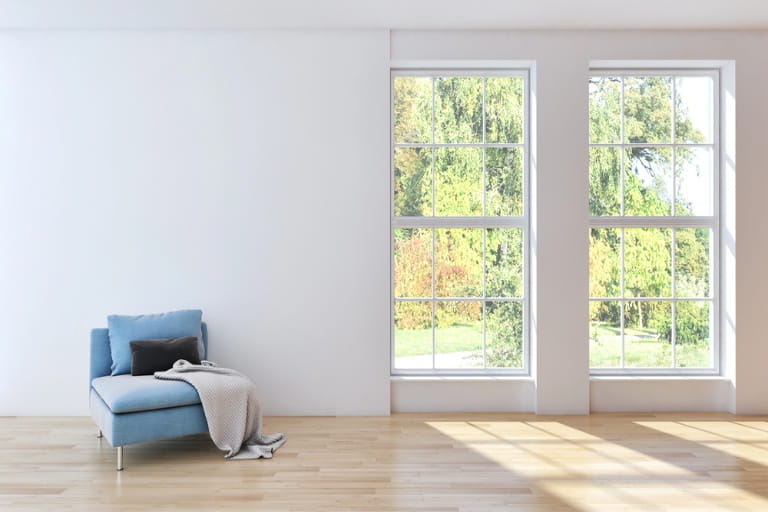
Light affects space in a way furniture and paint alone cannot. A room with generous, well-placed windows feels larger. It feels open. It feels alive.
Good windows bring in light without overwhelming a room. They let warmth in during winter and reduce glare in summer. The result is an interior that changes with the day in a way that feels comfortable rather than harsh.
The right choice makes the difference between a room that feels dim and one that feels open and inviting.
Comfort and Climate
Windows are part of the environmental system of a house. They affect temperature, drafts, and even noise from outside.
Well-designed windows help:
- Keep warmth inside during cooler months
• Reduce heat gain on sunny days
• Block wind and outdoor noise
• Improve overall comfort without raising energy use
When windows work with the climate instead of against it, the home feels like a refuge instead of a compromise.
View and Connection to the Outdoors
Look through a window and you see more than the outdoors. You see a frame of life. Even a small garden, a tree, or a stretch of sky adds context to daily moments — meals, conversations, morning coffee, late-night thoughts.
Windows act as living pictures. The right placement and size elevate a room by connecting it to the outside world without distraction.
Practical Design Matters
Not all windows serve all needs. The function varies by room and by purpose.
Consider these real-life questions:
- Do you want ventilation that feels easy and controlled?
• Is privacy important for a particular space?
• Does the room face strong afternoon sun?
• How should the windows interact with furniture and walkways?
Design decisions are easier when they respond to how you actually use the room.
For example, a kitchen window might need to open frequently and stay above counters without blocking storage. A bedroom window might prioritize blackout ability and airflow.
These are practical considerations that shape everyday experience.
Styles That Fit the Home
Windows have different configurations: casement, sliding, double-hung, picture, awning, and more. Each type serves a purpose.
A few characteristics to think about:
- Ease of operation
• Amount of ventilation
• Sightlines to the outdoors
• How they balance with the architecture of the house
The right style does not shout. It feels like a natural part of the structure.
Longevity and Maintenance
Windows are long-term components of a house. A new window should give many years of reliable function with minimal fuss.
Durability considerations include:
- Quality of frames and seals
• Resistance to moisture and decay
• Ease of cleaning
• Weather resistance
A window that fights you during ordinary cleaning or demands frequent maintenance stops being a convenience and becomes a chore.
That matters more over time than the initial cost.
Energy Efficiency as Everyday Value
Energy costs are part of running a home. Windows affect heating and cooling bills more than most homeowners realize.
Well-chosen windows help:
- Keep inside temperatures balanced
• Reduce strain on heating and cooling systems
• Lower utility costs over time
This is not about gimmicks. It is about making the routine parts of home life align with comfort and costs that feel manageable.
If you are exploring options and want to see examples that balance form with function, browsing windows for sale with detailed specifications helps clarify what performance features matter for your climate and design.
How Windows Interact With Interior Style
Windows influence paint color, furniture placement, and even how materials feel in a room. A space with abundant natural light might favor softer hues. A room with smaller openings might benefit from warmer finishes.
Windows do not just let light in. They shape how surfaces and colours look throughout the day.
Design and function team up when windows feel like a part of the room instead of an interruption.
Installation as a Craft
A good window’s performance is only as strong as its installation. Even the best-designed window can falter if fitted without precision.
Consider these practical points:
- Proper sealing to prevent drafts
• Level installation to avoid uneven movement
• Alignment with siding and trim for long-term weather protection
Installation is not a quick check-off. It is a foundational step in how the home feels every day.
Comfort That Feels Familiar
Good design should feel intuitive. Windows that open with a single motion. Frames that do not pinch fingers. Sightlines that frame the sky in pleasing proportions. These are the kinds of details that matter because they are part of every day, not one-off moments.
A home with well-chosen windows feels like a place you move through smoothly. It feels familiar in a productive way.
The Right Choice Makes Its Presence Quiet
Great windows do not distract. They support light regulation, comfort, and connection to the outdoors without demanding attention. They become part of the backdrop of daily life.
A living room, kitchen, or bedroom with windows that feel right still feels calm when the rest of the world is busy.
That is the subtle value of a thoughtful choice.