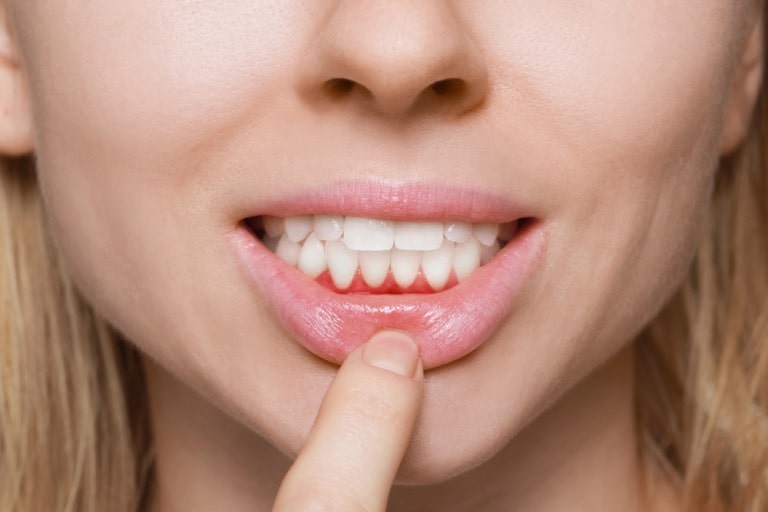
Spot early signs of gum trouble and learn effective treatments to protect your smile, ease discomfort, and maintain healthy gums.
Gum problems often start small, but they can grow fast if they are not treated. Many people ignore early symptoms because they seem mild. But what if these signs are warnings that your gums need help now?
Understanding what to look for can keep your mouth healthy and prevent long-term dental issues. In this blog, you will learn the first signs of gum trouble and what treatments can help. With the right steps, you can protect your smile and keep your gums strong.
Red or Swollen Gums
Red or swollen gums are often the first sign that something is wrong. This happens when plaque builds up and irritates the gum line. You may also feel slight pressure when brushing. These changes are easy to miss, but they matter.
When you notice this early, you can act fast and stop the problem from getting worse. Simple care at home, like brushing gently and using warm salt water rinses, can give relief and support healing.
Bleeding When Brushing or Flossing
If your gums bleed often when brushing or flossing, it may be an early stage of gum disease. The bleeding can come from tender gum tissue that reacts to even light pressure. Many people ignore this sign because it seems normal. But bleeding is not normal for healthy gums.
Early treatment can stop the damage from progressing. Try using a soft-bristled brush and gentle strokes. If the bleeding continues, visit your dentist to find the best plan for care and comfort.
Persistent Bad Breath
Bad breath that lasts through the day may be connected to gum trouble. Bacteria stuck under the gums can produce unpleasant smells. Regular brushing helps, but it may not reach the deeper parts where germs hide.
You may also feel a dry or sticky sensation in your mouth. Treating this issue early can prevent more discomfort and protect gum health. Your dentist may suggest a deep cleaning to remove bacteria. With cleaner gums, your breath will improve and feel fresher.
Gum Sensitivity or Pain
Gum pain or unusual sensitivity can be a warning sign. You might feel discomfort while eating or drinking. Cold or hot foods may trigger quick stinging or tingling. These sensations mean your gums need attention.
Acting early helps stop more damage. Your dentist may recommend medicated mouthwash or a gentle cleaning. These steps can ease pain and help save your teeth now by protecting the gum tissue. With proper care, your smile can stay strong and healthy.
Receding Gums
Receding gums happen when the gum line slowly pulls away, showing more of the tooth. This can make teeth look longer and feel sensitive. It also creates small pockets where germs can grow. Receding gums should never be ignored.
Early treatment can include deep cleaning or special gels to protect the gum line. In more serious cases, gum grafting may help restore the lost tissue. With the right steps, you can stop the recession and protect your smile.
Spot These Signs of Gum Trouble To Get the Best Treatments Right Away
Gum trouble can start with small symptoms, but these early signs matter. Paying attention and acting quickly can help you avoid pain, infection, and long-term dental problems. Treatments are simple when issues are caught early, and they can make a big difference in your daily comfort.
Good brushing, flossing, and checkups support strong gums, protecting teeth and smile. Healthy gums improve oral health and boost confidence.
If you enjoyed this article, feel free to explore the blog for more helpful topics.