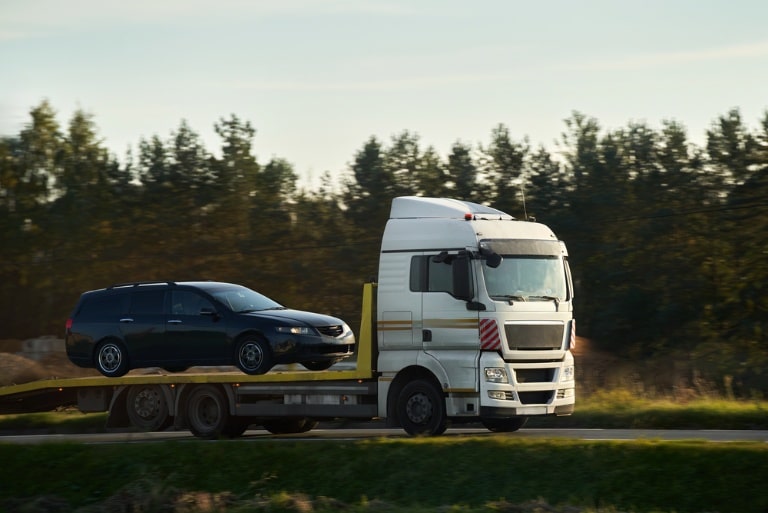
Got to get a car from point A to point B across the country?
Vehicle transport is a big business. For obvious reasons.
Moving for a new job, purchasing a car from another state, heading off to college… you name it.
When you’ve got thousands of miles to travel, shipping a vehicle is a no-brainer.
The thing is…
Knowing the right way to ship a car across the country without incident is an art. And it can make or break your moving experience.
When done right though… taking a vehicle from coast to coast is a pretty simple affair.
The key is preparation and a bit of know-how.
In this essential guide, you’ll learn everything you need to know to:
- Safely ship a vehicle across the country
- Keep a car protected during transport
- Ensure a vehicle arrives with no problems
Let’s jump in and start moving cars.
What you’ll learn:
- Why the right carrier matters
- Open transport vs enclosed transport
- How to properly prepare a vehicle for transport
- The Bill of Lading (BOL)
- Car shipping insurance
Why the right carrier matters
With the vehicle shipping industry worth $10.1 billion in 2024 alone, there are going to be a lot of different transport companies to choose from.
This is good and bad at the same time.
Good because there’s plenty of competition and fair prices. Bad because not all carriers are created equal.
The trick to successful shipping is to do your research ahead of time.
Before ever booking anything, you need to make sure the company is properly registered with the Federal Motor Carrier Safety Administration (FMCSA).
This tells you that they meet the federal standards for safety. It also means they should have US Department of Transportation (DOT) numbers.
Need to know how much it will cost? Input a few details to calculate car shipping cost before taking the plunge.
Talk to more than one company and compare their rates and services.
These are the things to look for when vetting a vehicle transport company:
- Reviews on legitimate websites
- Straightforward pricing with no hidden fees
- Valid FMCSA registration
- Insurance coverage
Can’t be that hard, right?
Cross country vehicle transport methods
There are two main types of transport services for shipping vehicles. There’s open transport and enclosed transport.
Each is great depending on the value of the car and the budget involved.
Let’s take a closer look at each…
Open Transport
This is the most common and least expensive way to ship a car.
An open transport means that your vehicle will sit on a trailer with other vehicles.
Think those big trailers you see driving down the highway carrying upwards of 8-10 cars at a time.
Open transport is ideal for standard or everyday vehicles. The open trailer means the car is exposed to the elements and road debris during shipment.
But this is perfectly fine for most cars being shipped. For the everyday drivers out there… this method of transport is safe and affordable.
Enclosed Transport
Enclosed transport, as you might guess, means that the vehicle is transported inside of a covered trailer.
This provides protection against the elements, road debris, and curious eyes.
The enclosed method of transport is going to be more expensive than an open carrier.
But when transporting luxury vehicles, classics, or expensive cars… it’s definitely worth the added cost for the extra level of protection.
This helps ensure that the vehicle arrives at its destination in pristine condition.
When selecting a transport provider, working with a reputable Essex Car Delivery Service can help ensure your vehicle is handled professionally and transported securely throughout the journey.
Preparing a vehicle for transport
Preparation is key.
Getting a vehicle ready for transport is important to reduce the risk of issues.
When properly prepared, there is less chance of anything going wrong. Here’s the checklist that needs to be followed:
Clean the vehicle both inside and out. It’s important that the exterior of the car is clean. Not only to look nice, but also to make pre-existing damage easy to spot.
Take photos and video documentation of the vehicle’s condition before it’s picked up.
Remove all personal belongings from the vehicle. Most transport carriers do not allow for personal items to be left inside the vehicle during shipment. If personal items are left in the car, they can shift and cause damage to the interior. In the worst case scenario… they could be lost.
Check fluid levels and tire pressure. Verify that the vehicle is in drivable condition. No major leaks and gas tank is about a quarter full.
Disable any car alarms. A car alarm blaring on a transport trailer is a sure way to annoy a driver.
Note any existing damage. Take a walk around the vehicle. Snap pictures of the vehicle from all sides. Photograph scratches, dings, and dents.
Documentation & insurance for shipping vehicles
Paperwork is more important than most people realize.
Every vehicle transport shipment has a Bill of Lading (BOL). This document shows the condition of the vehicle at the time of pickup and delivery.
In other words, it’s the official paper trail of what happened while in transport.
Never sign a blank BOL. Carefully review everything before signing.
Insurance for vehicle transport is also crucial.
Industry statistics show that fewer than 5% of shipped vehicles experience any damage. However, that does not mean that foregoing insurance is a wise move.
All reputable carriers carry cargo insurance for vehicles during shipment. Carriers with open trailers have general coverage around $100,000 – $150,000. Enclosed trailers will often carry insurance policies up to $3,000,000.
Ask to see a copy of the carrier’s Certificate of Insurance before committing. Verify the limits of coverage and know exactly what’s covered. Personal car insurance policies often do not extend to cover commercial transport.
Pickup and delivery
Pickup and delivery of a vehicle follow a pretty simple formula.
By taking the time to pay attention during these steps, you can avoid major headaches later.
Pickup
Inspect the vehicle with the driver prior to loading on the trailer. Point out any pre-existing damage that’s noted on the BOL. Take a timestamped picture. Ensure a copy of the pickup BOL is given to you and signed before the driver departs.
Delivery
Walk around the vehicle and check everything prior to signing off on delivery. Make sure the vehicle condition is the same as it was when it was picked up. Carefully examine the hood, trunk, roof, bumpers, and undercarriage of the car.
If any new damage is present:
- Note it on the BOL and ensure clear photos are taken
- Do not sign anything until all damage is documented
- Contact the transport company immediately
Time is of the essence here. Most carriers have a deadline of 7-14 days to file a claim for damages.
Time of year
Like most things in life, shipping a vehicle is affected by seasonal timing.
Peak shipping season is summer and early fall. As more people move during this time of year, rates and demand increase.
Winter months are often slower and rates can be lower. The downside is that weather delays are more common. Snow, ice, and inclement weather slow down cross-country shipments.
Booking 2-3 weeks out provides more options. Last-minute shipments will typically be more expensive and will narrow carrier choices.
Final Thoughts
Shipping a vehicle cross country doesn’t need to be an ordeal.
With the right carrier, preparation, and documentation… the entire process can be pain-free.
Quick review:
- Vet carriers and verify FMCSA registration
- Pick between open or enclosed based on vehicle value
- Prepare the vehicle for pickup properly
- Document everything before and after with photos
- Carefully review the Bill of Lading at pickup and delivery
- Act fast if any issues or damage appear
Millions of vehicles are shipped across the country every year. Most with zero issues.
By following this essential guide, your vehicle will be just fine from pickup to delivery.
Time to hit the road and start moving cars.