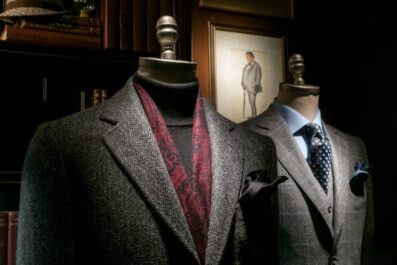
Investing in a properly fitting dress coat can take any outfit to the next level. Although the styles differ, the secret is in the coat fitting exactly on the shoulder, chest, and sleeves. In this guide, we have listed details on how to get the perfect fit that will not only make your jacket look more appealing but will also provide you with excellent comfort.
Shoulder Fit
One place where shoulders make their presence felt is in dress coats. A naturally aligned shoulder seam matches the shoulder’s edge. If the seam goes over there, the coat looks big. On the other hand, an inadequate seam will limit the motion and cause discomfort. Well-fitted stylish men’s dress coats should sit neatly on the shoulders without sagging or pulling.
On the other hand, for a perfectly defined silhouette, the shoulder pads should follow the shoulders and not stick out. To avoid this, configure it on a coat that lies correctly. It is about trying it on for size and moving the arms around to see if you can free the shoulder without excess bulk.
Chest Fit
Rather, comfort and style in the chest area are key. The wearer can button the coat without strain. It needs to be slim enough for looking the part but spacious enough for a decent wiggle. If you pull too tight, the fabrics will pull, and that creates unattractive wrinkles. If it is too baggy, then the coat loses its tailored illusion.
How to test the fit at the chest: Button it up and slip a hand between the coat and the chest. The space should accommodate the palm of a hand, indicating a proper fit. The coat should sit close to the torso but shall not feel restrictive.
Sleeve Length
Sleeve length impacts style and function. Dress coat sleeves should end at the wrist, meeting the base of the thumb. It is long enough to reveal a bit of the cuffs of some of these shirts, so that it adds sophistication to the look.
No sleeves should overreach the hands; it can also be altered if it is too long. On the other hand, sleeves that come up too short show too much of the shirt and destroy the balance. If you wear a dress shirt under the coat, this guidance can also give you an idea of the correct sleeve length so that both layers fit nicely together.
Overall Balance
There’s a comfortable balance with the shoulders, chest, and sleeves. All the elements work together to give the coat a line that flatters the wearer’s body type. A favorable coat creates balance, promotes proper posture, and exudes confidence.
Lastly, consider how the coat fits with the rest of the outfit. It should complement, not overwhelm. Coats tend to fall to mid-thigh for a more classic look, but you might want to consider the length of the coat itself.
Choosing the Right Fabric
The fabric you choose impacts their looks, comfort, and function. Known for its warmth and timeless design, wool is a popular option. For cooler temperatures, cotton or linen materials provide greater breathability.
Choose a fabric that suits your personal style and the occasion. Darker shades are versatile and have a space for both formal and casual settings. If you have the option to choose, select basic patterns to maintain a timeless look.
Tailoring Tips
A well-fitting coat is vital, but even the highest quality off-the-rack may need tailoring. When the coat fits as it should, the look just gets better; hence, outerwear tailoring. The most frequent adjustments consist of shortening or lengthening the sleeves, tightening or loosening the chest, and refining the shoulder adjustment.
If you want to make changes, a professional tailor can advise you on the best options for your coat. A bespoke coat is a factory coat made special with some alterations.
Caring for Your Coat
Dress overcoats are like any other garment; care and practice enable them to last longer and sustain their look. Periodic cleaning, as per the manufacturer’s care instructions, keeps the fabric fresh. A sturdy hanger preserves the shape of the coat when not in wear.
Use a breathable garment bag to store your coat, preventing dust and damage. It stays pristine as occasional brushing vacuums away surface dirt and lint.
Conclusion
A high-quality dress coat fits nicely across the shoulders, chest, and sleeves, adding style to comfort as well. Focusing on these areas will ensure the coat looks good on the wearer and suits their figure and style. With an emphasis on fit, fabric, and care, anyone can embrace the style and refinement a dress coat adds to any closet.