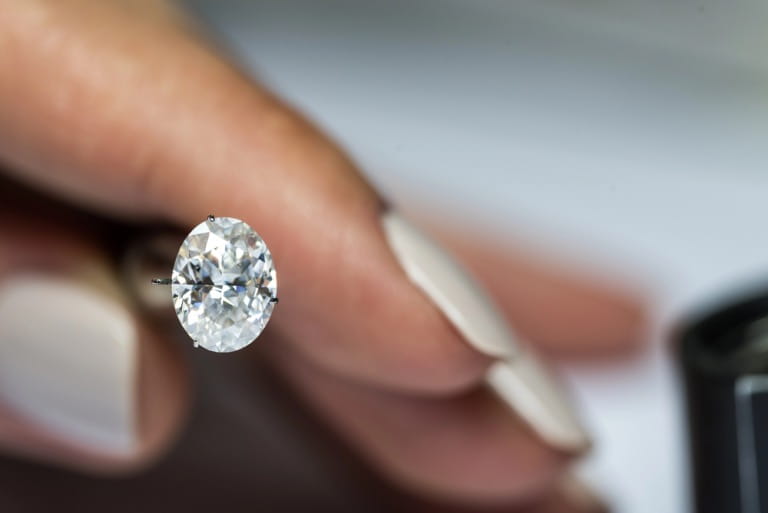
Buying a loose diamond puts you in the driver’s seat. You get to pick the look, the quality, and the final cost before the stone ever goes into a ring or necklace. Maybe you’re shopping for an engagement ring, a custom pendant, or a gift for a big occasion. Either way, choosing the diamond first lets you compare plenty of options before settling on a setting. Dallas has independent jewelers, diamond specialists, and jewelry stores that carry loose stones in all kinds of shapes, sizes, and grades.
It also helps to know how diamonds get graded and priced before you start looking. If you walk in with a budget and a handle on the basics, you can zero in on stones that fit your taste instead of paying extra for features you’d never notice.
Checking Out Local Diamond Dealers in Dallas
Not every jeweler in Dallas works the same way. Regular jewelry stores usually keep a small batch of loose diamonds next to their finished pieces. Diamond specialists tend to offer a much bigger pool of individual stones. Independent jewelers are good if you want a custom design and some help finding a diamond that works with it.
When you’re searching for where to buy loose diamonds in Dallas, don’t stop at the sticker price. Find out if the diamond comes with an independent grading report. Ask if you can see it in person. Ask what the seller can tell you about where it came from and what makes it special. A good dealer will walk you through the differences between stones and won’t push you toward a pricier one just to make a bigger sale.
Aura Diamonds is a Dallas-based dealer that focuses on loose diamonds, including GIA-graded natural stones. Its lineup covers round, oval, princess, pear, emerald, radiant, cushion, marquise, heart, and Asscher shapes. You can browse what’s available online or set up a visit to the showroom at 4201 Spring Valley Road, Suite 520, Dallas, Texas. Looking through a dealer’s inventory ahead of time makes your visit a lot more productive, since you’ll already have a short list in mind.
The Four Cs Explained
Diamond prices come down to four things: cut, color, clarity, and carat weight. Once you understand each one, it’s easier to see why two diamonds that look about the same size can have totally different price tags.
Cut
Cut decides how well a diamond handles light. A well-cut stone sparkles and glows. A poorly proportioned one can look flat and dull. Cut matters most with round brilliant diamonds, but shape, proportions, and your own taste play a role with other cuts too.
Color
The standard color scale starts at D, which means totally colorless, and runs down to Z, where you’ll see more yellow or brown. The gap between neighboring grades is often tiny. Some people want the highest color grade they can get. Others pick a slightly warmer stone so they can put more of their budget toward size or a better cut.
Clarity
Clarity covers the tiny flaws inside a diamond, called inclusions, and the ones on the surface, called blemishes. Higher grades mean fewer or less visible flaws. Still, plenty of inclusions can’t be seen without magnification, so a diamond with a lower clarity grade can look perfectly clean to your naked eye.
Carat Weight
Carat is a measure of weight, not size. A bigger carat number usually means a higher price, but it won’t always look bigger on your finger. Shape and cutting proportions affect how much of the diamond you actually see from above.
Why Certification Matters?
An independent grading report gives you solid facts about a diamond. The Gemological Institute of America, or GIA, is one of the most respected grading labs out there, and it grades stones using set standards. That makes it easier for you to compare diamonds using the same yardstick.
Keep in mind that a report doesn’t guarantee what a diamond is worth, and it doesn’t replace seeing the stone yourself. Make sure the report matches the diamond in front of you, and go over the measurements, grades, and identifying details. If you’re making a big purchase, you can also ask whether the report number can be checked through the lab’s official online service.
Certification really pays off when you’re comparing stones from different dealers. You get a clear basis for judging quality instead of leaning on words like premium, exceptional, or high grade.
Comparing Loose Diamond Prices
There’s no single price for a given carat weight. Two diamonds that weigh the same can differ a lot in cut, color, clarity, shape, and certification. Natural and lab-grown diamonds also sit in separate pricing categories, so confirm which kind you’re looking at before you line up any quotes.
Shape changes the price too. Round diamonds often cost more than some fancy shapes because of how much rough stone gets lost in cutting, plus higher demand and other market factors. Oval, pear, emerald, radiant, and cushion diamonds each have their own look, which gives you room to explore other styles without giving up the vibe you want.
Before you decide, compare a few stones with similar grades and specs. Ask for the full price, including taxes and any setting or customization costs. A low starting price isn’t always a better deal, especially if the stone has traits you don’t love or the finished piece needs a lot of extra work.
Picking a Diamond That Fits Your Plans
Think about how you’ll use the diamond, since that should steer your choice. For an engagement ring, consider how the shape will pair with the setting and how securely the design will hold the stone. For earrings or a pendant, matching stones or specific proportions might matter more to you than the highest clarity grade.
Try to look at diamonds under different lighting if you can. A stone can look one way under showroom lights and another in daylight. Take your time comparing sparkle, visible inclusions, color, and overall appearance instead of deciding from a grading report or a photo alone.
Buying a loose diamond in Dallas gets a lot simpler once you understand the grading system, compare prices fairly, and work with a dealer who’s happy to explain the details. Balance your budget against the qualities you care about most, and you’ll end up with a diamond that fits your design and your expectations without paying extra for grades you’d barely notice.