Menopause is a natural biological process marking the end of a woman’s reproductive years. During this phase, a variety of symptoms can arise due to fluctuating hormone levels.
Factors such as travel, time zones, and stress can have a significant impact on how menopausal symptoms manifest and are managed. Learn how MENO menopause supplements, lifestyle changes, and more can help you get relief from frustrating symptoms when you’re on the go.
What Is Menopause?
Menopause typically occurs in women around the ages of 45 to 55, leading to the cessation of menstruation and a decline in estrogen and progesterone production by the ovaries. Common symptoms of menopause include hot flashes, night sweats, mood swings, insomnia, and vaginal dryness.
These symptoms can vary in intensity and duration for each individual, impacting their quality of life. One approach to managing menopause symptoms is through the use of menopause supplements.
These supplements are designed to provide essential nutrients and herbal extracts that support hormonal balance and alleviate symptoms. Incorporating such supplements into one’s daily routine may offer relief and improve overall well-being.
Can Travel Affect Menopause Symptoms?
Traveling, whether for work or leisure, can disrupt women’s routines and affect their menopause symptoms. The stress of packing, being in new environments, and changes in diet and sleep patterns can exacerbate symptoms like hot flashes and mood swings. Jet lag, in particular, can disrupt the body’s internal clock, further intensifying menopausal challenges.
To manage menopause symptoms while travelling, women should prioritize self-care. Staying hydrated, eating nutritious meals, and incorporating relaxation techniques such as deep breathing or meditation can help alleviate symptoms.
Planning ahead is crucial for mitigating the impact of travel on menopausal experiences. Gradually adjusting schedules to align with destination time zones can help minimize disruptions to routines and hormone levels. By proactively managing these adjustments, women can navigate travel more comfortably during this sensitive life stage.
Time Zone Changes and Menopause
Time zone shifts pose a unique challenge for menopausal women. The body’s circadian rhythm, which regulates sleep-wake cycles, can be disrupted when crossing multiple time zones. This disruption often leads to fatigue, irritability, and difficulty sleeping, all of which can contribute to worsening menopause symptoms.
Adjusting to new time zones requires patience and strategic planning. Women experiencing menopause can benefit from gradually adjusting their sleep schedules before traveling, exposing themselves to natural light to regulate their body’s internal clock, and maintaining consistent bedtime routines.
How Stress Is a Menopause Aggravator
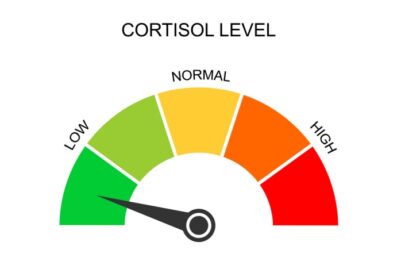
Stress is a common aggravator of menopause symptoms, often intensifying hot flashes, night sweats, and mood swings. During menopause, hormonal changes can make women more susceptible to stress, leading to increased levels of cortisol, known as the stress hormone.
Elevated cortisol levels can further disrupt hormonal balance, exacerbating symptoms and impacting overall well-being. To manage stress during menopause, incorporating relaxation techniques such as yoga, meditation, deep breathing exercises, or mindfulness practices can be beneficial.
Engaging in regular physical activity, maintaining a healthy diet, and ensuring adequate sleep are essential components of stress management for menopausal women. Seeking support from friends, family, or mental health professionals can also help navigate the emotional challenges that may arise during this phase of life.
Practical Lifestyle Tips for Menopausal Women
Menopause supplements can help you manage menopause symptoms by providing essential nutrients and herbal extracts that target specific concerns. These supplements are not meant to replace a healthy diet but can complement lifestyle changes aimed at easing menopausal discomfort.
In addition to menopause supplements, adopting practical lifestyle tips can improve well-being during menopause. Maintaining a balanced diet rich in fruits, vegetables, whole grains, and lean proteins can help alleviate symptoms such as hot flashes and mood swings.
Regular physical activity, including aerobic exercise and strength training, can boost energy levels, enhance mood, and improve sleep quality. Prioritizing adequate rest and practicing good sleep hygiene are essential for managing menopause symptoms.
Creating a relaxing bedtime routine, limiting caffeine and alcohol intake, and ensuring a cool, dark sleeping environment can support restful sleep. Additionally, staying hydrated, managing stress levels, and seeking social support from peers or support groups can foster a positive outlook and resilience during the menopausal transition.
Empowering Menopausal Travelers
The impact of travel, time zones, and stress on menopause symptoms underscores the importance of holistic approaches to managing this significant life stage. By understanding how lifestyle factors influence menopause experiences and incorporating practical menopause strategies, women can navigate this transition more comfortably and effectively.
Embracing self-care, staying informed, and seeking support from healthcare professionals are key steps in empowering women to optimize their well-being during menopause. These proactive measures can enhance quality of life and provide valuable support through this significant life transition.