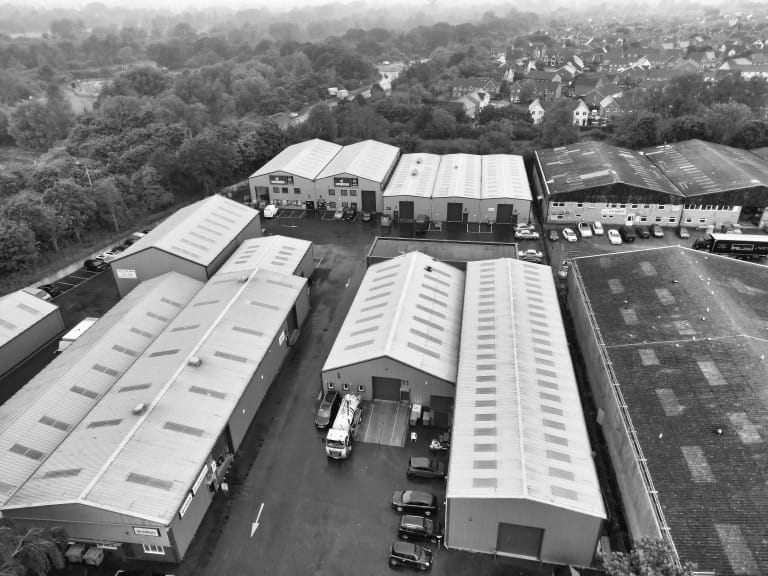
Leasing a warehouse is one of the major decisions a business needs to make. An ideal warehouse will help with the efficient delivery of goods, inventory management, and staffing, but an inappropriate one will add to your problems and expenses. Companies interested in leasing a warehouse in Houston are offered a variety of choices, ranging from flexible spaces to distribution centers. Yet, basing your decision solely on the cost and size of the property will not give you all the necessary information for making the right choice.
Houston also remains an active industrial market. According to CBRE’s Houston Industrial Figures for Q2 2026, the Houston market recorded approximately 9 million square feet of industrial leasing activity during the second quarter of 2026.
It is important to pose several practical questions before you sign the warehouse lease.
1. Is the Location Right for the Business?
The location of the business will influence far more than just the address of your business establishment. If the business will consistently take in shipments, deliver shipments, serve customers, or dispatch staff to other sites, then ease of vehicle access needs to be a consideration. In Houston, easy access to key transportation thoroughfares will directly affect the time of travel and efficiency of operations. Ease of proximity to transportation routes like I-10, I-45, I-69, Highway 290, Beltway 8, or the 610 Loop could be crucial based on where your customers, suppliers, employees, and transport partners are located.
2. How Much Warehouse Space Is Actually Needed?
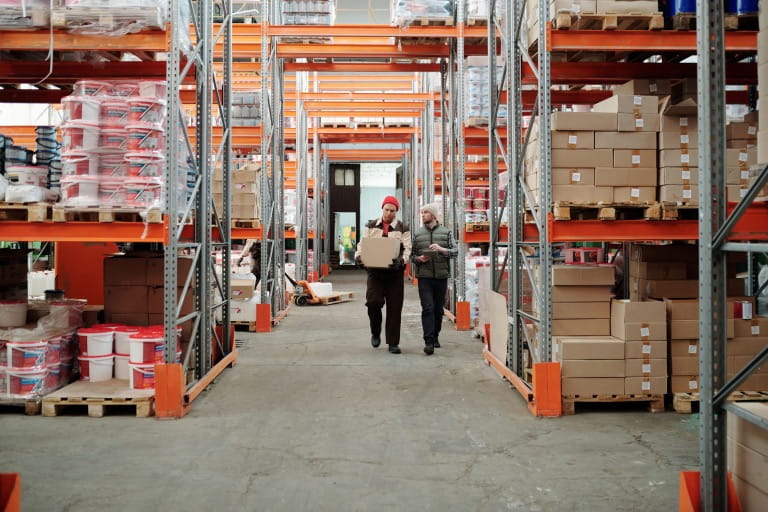
One of the primary considerations for any organization when assessing Warehouse Space is square footage; however, square footage does not necessarily mean available space. Think about how the various parts of the property will be used. The organization will need to have space for storage, machinery, packing zones, loading zones, work areas for employees, offices, and other purposes. The floor plan is another consideration. The presence of columns, walls, offices, and the way the building is laid out could make it difficult to organize the space in the warehouse. It is also wise to think about future needs.
3. What Is the Clear Height?
But it’s not the only way to assess the capacity of the warehouse. Clear height describes the amount of vertical clearance in the warehouse between the floor level and the first obstruction that lies above. It can be useful for businesses that plan to use the warehouse for shelving or pallet racking since having more vertical clearance means that more efficient use of the space can be achieved. So, two warehouses with equal square footage can have quite different capacities for storage.
4. Does the Warehouse Have the Right Loading Configuration?
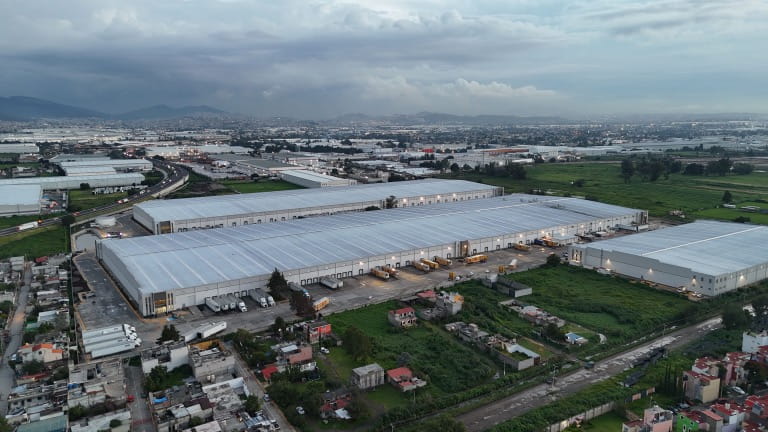
Loading capacity can have an impact on daily activities. It is essential to know whether the company requires dock-high loading, grade level doors, drive-in loading, truck wells, or a combination of the above. The size of the vehicle also counts. The site that is appropriate for vans and pickups may not offer sufficient access for bigger delivery vehicles. It is important to evaluate loading sites properly and think about how often the trucks will come, how they will wait, and how easily they will leave the facility.
5. Is Office Space Required?
Many businesses have a requirement for warehouses as well as office spaces. In this case, when deciding between an office area to rent and warehouse space, a business must determine the amount of office space the people working in it need. Not enough space will affect the business’s operations negatively, while too much space will mean higher costs for no reason. Businesses should evaluate if the property offers proper offices, restrooms, climate control, reception, conference rooms, and employee facilities.
6. What Costs Are Included in the Rent?
However, the rental price offered may not always be reflective of the total cost of renting out a property. As a tenant, before you sign up for a warehouse lease, there is need to identify what will be inclusive and what will be extra. There could be several other expenses incurred depending on the type of lease such as taxes, insurance, common area maintenance costs, utilities, repairs among others. Businesses need to know how much they will have to incur in order to compare different properties.
7. How Long Is the Lease Term?
The period of the lease should coincide with the corporate strategy of the company. Long-term leasing can guarantee stability and minimize the number of moves. At the same time, it can restrict some flexibility in case the company’s needs for the rented space will change. Short-term leasing can be preferable for young companies or those experiencing quick changes, but the conditions can be different. Prior to entering a lease agreement for a warehouse, one has to know the initial period of leasing, possibility of its renewal, rent increases, etc.
8. Who Is Responsible for Maintenance and Repairs?
There may be differences in the maintenance obligations when leasing warehouse space. It is important for the business to find out whose obligation it is to maintain or repair certain facilities like HVAC system, plumbing, electrical equipment, loading docks, roof, parking area, and others. It will be helpful to check the general state of the property prior to occupying it. The existing problems or maintenance needs should be recorded in order to have the evidence of the condition of the facility at the start of occupancy.
9. Are There Restrictions on How the Property Can Be Used?
Every warehouse is not suited to every kind of business activity. There may be zoning laws, leasing laws, property laws, or building laws that restrict certain kinds of business activities. It is best for companies to check whether they can conduct their business from the warehouse. This is especially true for manufacturing industries, automobile industries, food-related businesses, chemical-based industries, or any industries that cause lots of noise.
10. Can the Property Support Future Growth?
A warehouse should consider present needs; however, future needs also need to be taken into account. In time, a company may grow and will have an increased need for storage space, staff members, offices, and even loading. Relocation can be expensive and difficult, and it is important to assess whether the property offers sufficient flexibility to allow reasonable growth.
To fully understand the Houston industrial market, research local warehouse listings and compare offerings from alternative property providers in the area. For instance, Samuel L. Bryant Investments provides a variety of office and warehouse spaces for lease in Houston, including a number of variations on size, office set-up, loading, and location in relation to freeways.
Making an Informed Warehouse Leasing Decision
Finding the right Warehouse for Rent in Houston is not only about finding the building that is available at a suitable cost. The location of the warehouse, available space, loading, clearance height, parking facilities, power supply, office requirements, operation costs, and the terms of leasing could all play a role in determining whether or not the property would be suitable for the business.
It might save you from a lot of troubles and additional expenses to spend some time investigating these aspects prior to signing the leasing contract. Often a warehouse is not only the place where products are stored but also an essential part of logistics and operations of a company.
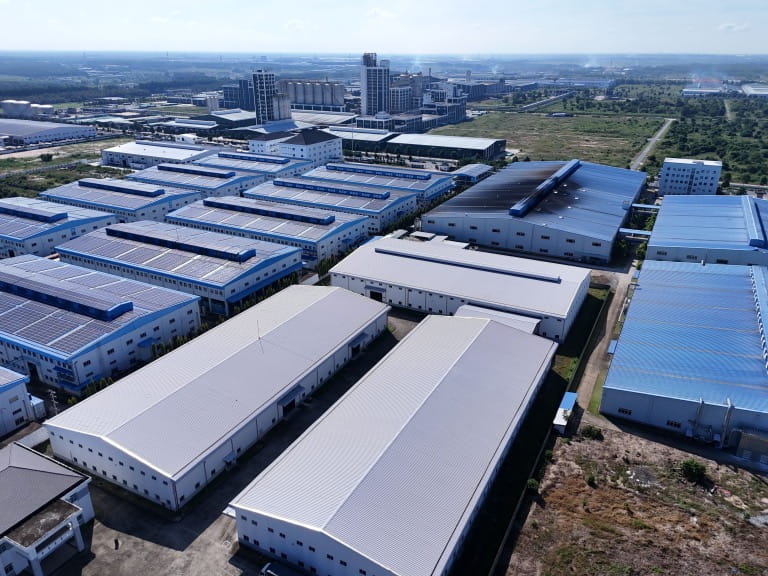
For additional insights into the commercial property market, businesses can explore Texas Business Today’s real estate news and insights. The publication covers Texas real estate developments and related industry trends that can help business owners better understand the factors influencing warehouse leasing, industrial property demand, and business expansion. Exploring these resources alongside local property listings can help companies make more informed decisions when evaluating warehouse space in Houston.
About the Author: Written by the team at Earn SEO, a digital marketing agency specializing in SEO solutions for real estate businesses, helping property professionals improve online visibility, attract potential clients, and strengthen their digital presence.