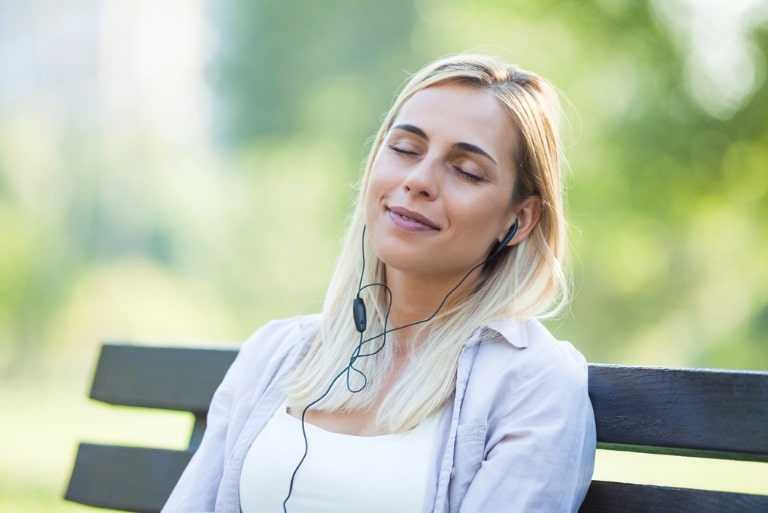
The vagus nerve supports the body’s natural ability to relax, control stress, and balance mood. It connects the brain to organs that regulate breathing, heart rate, and digestion. By learning simple ways to activate this nerve, anyone can strengthen the body’s calm response and improve mental well-being naturally.
This guide explores proven methods that stimulate the vagus nerve through breath control, gentle exposure to cool temperatures, sound, touch, and movement. Each technique builds a connection between body and mind, helping to create steadier energy and greater emotional balance.
Diaphragmatic Breathing for Deep Relaxation and Improved Vagal Tone
Diaphragmatic breathing, also called deep belly breathing, helps calm the body by engaging the diaphragm instead of the chest muscles. This action gently stimulates the vagus nerve, which sends a signal to slow the heart rate and support a relaxed state. People who explore vagus nerve stimulation for depression often include this method as part of their self-care or therapy routine.
Slow, steady breaths with a longer exhale than inhale can strengthen vagal tone and balance the nervous system. This balance helps reduce stress and ease emotional tension. The practice can also improve focus, mood stability, and general comfort in daily life.
With regular practice, even a few minutes of diaphragmatic breathing each day can make relaxation feel more natural. It offers a simple yet effective way for anyone to support emotional well-being and a calmer mind without equipment or complex instruction.
Cold Exposure through Face Immersion or Cold Showers to Activate the Vagus Nerve
Cold exposure through water on the face or a quick cold shower can help the body activate the vagus nerve. This nerve plays a role in controlling the “rest and digest” response, which helps calm the heart rate and reduce stress. A short burst of cold water may signal the nervous system to shift into a more relaxed state.
Face immersion in cold water can create a mild diving reflex, which naturally slows the heartbeat and supports relaxation. It does not require full-body immersion, making it a simple method that people can try at home. The cold temperature sends signals through the nerves in the face that connect directly to the vagus nerve.
Cold showers work in a similar way but expose a larger part of the body to cold. This broader stimulation can boost circulation and balance nervous system activity. Regular practice may help build resilience to stress and improve overall calmness.
Singing or humming to stimulate the vocal cords linked to the vagus nerve
Singing or humming can help activate the vagus nerve through the muscles in the throat and vocal cords. The nerve runs through the neck and connects to parts of the body that control breathing and heart rate. This physical connection allows voice-based activities to influence the body’s relaxation response.
Researchers note that slow, steady vocal sounds can increase the nerve’s activity. For example, humming a steady tone can create soft vibrations in the throat that support calm breathing and balance the nervous system. Some studies also show small changes in heart rate variability during calm, rhythmic vocalization, which may indicate relaxation.
This approachable method does not require musical skill. Even soft humming during daily routines can help quiet the mind and reduce tension. Therefore, regular use of the voice in this gentle way may support both physical ease and mental well-being.
Vagus Nerve Massage Targeting the Neck and Carotid Sinus Area
A vagus nerve massage often focuses on areas along the side of the neck where the nerve travels close to the surface. These regions include the muscles beside the sternocleidomastoid and just below the base of the skull. Gentle, consistent pressure in these spots can create a calming effect and support muscle relaxation.
However, people should avoid pressing on the carotid sinus, a pressure-sensitive area near the carotid artery. Direct force in this region can cause a sudden drop in heart rate and blood pressure. For safety, light touch and awareness of anatomy matter more than deep pressure.
Some claim that careful stimulation of these neck points may promote balance in the nervous system and help lower stress. Evidence still remains mixed, so it is best viewed as a relaxation method rather than a medical treatment. Anyone uncertain about technique or pressure should seek advice from a trained massage or health professional.
Yoga Poses Focusing on Deep Stretching and Controlled Breath
Certain yoga poses help activate the vagus nerve by combining slow movement with deep, steady breathing. These poses create a sense of calm that supports body awareness and relaxation. Gentle stretches also release muscle tension, which helps reduce physical stress.
Poses like Child’s Pose, Bridge Pose, and Legs-Up-the-Wall allow the chest and abdomen to expand with each breath. This movement helps the diaphragm work better, which may help the nervous system rest and reset. The focus on slow inhalation and exhalation keeps the heart rate steady and the mind clear.
Deep stretching in poses such as Seated Forward Fold or Cat-Cow helps lengthen muscles while keeping attention on controlled breath. As a result, the body relaxes more easily, and breathing feels smoother. Over time, steady practice may lead to less tension and better mood balance.
Conclusion
Vagus nerve stimulation supports calm and mental balance through simple daily habits. Techniques such as deep breathing, gentle cold exposure, and mindful relaxation help the body trigger its natural rest response. These methods can fit into different lifestyles without complex tools or treatments.
Consistent practice often leads to a steadier mood and reduced stress levels. People who learn to recognize their body’s signals respond more effectively to tension and anxiety. Small steps, such as slow exhalations or light neck massage, can make noticeable differences over time.
By combining practical exercises with self-awareness, individuals can create a more balanced state of mind. Regular effort helps the nerve function improve naturally, increasing focus and relaxation in daily life.
This article is for informational purposes only and is not medical advice. Always check with a healthcare professional before using vagus nerve devices, as results and safety can vary.